Ad
Spring Pin Spec Table
Spring Pin Specifications — 24 sizes
KS B 1371ISO 8752JIS B 2808DIN 1481
A slotted elastic pin that holds by spring force when inserted into a hole. Easy to assemble and disassemble.
Practical Notes
- Orient spring pin slit perpendicular to load direction. Parallel orientation can cause pin opening and ejection under load.
Selection Guide
Simple press-fit into standard drilled holes — no reaming needed. Allows repeated insertion and removal. Less precise than dowel pins but easier to assemble; self-retaining under vibration. Used for hinges, levers, and clevis pin retention.
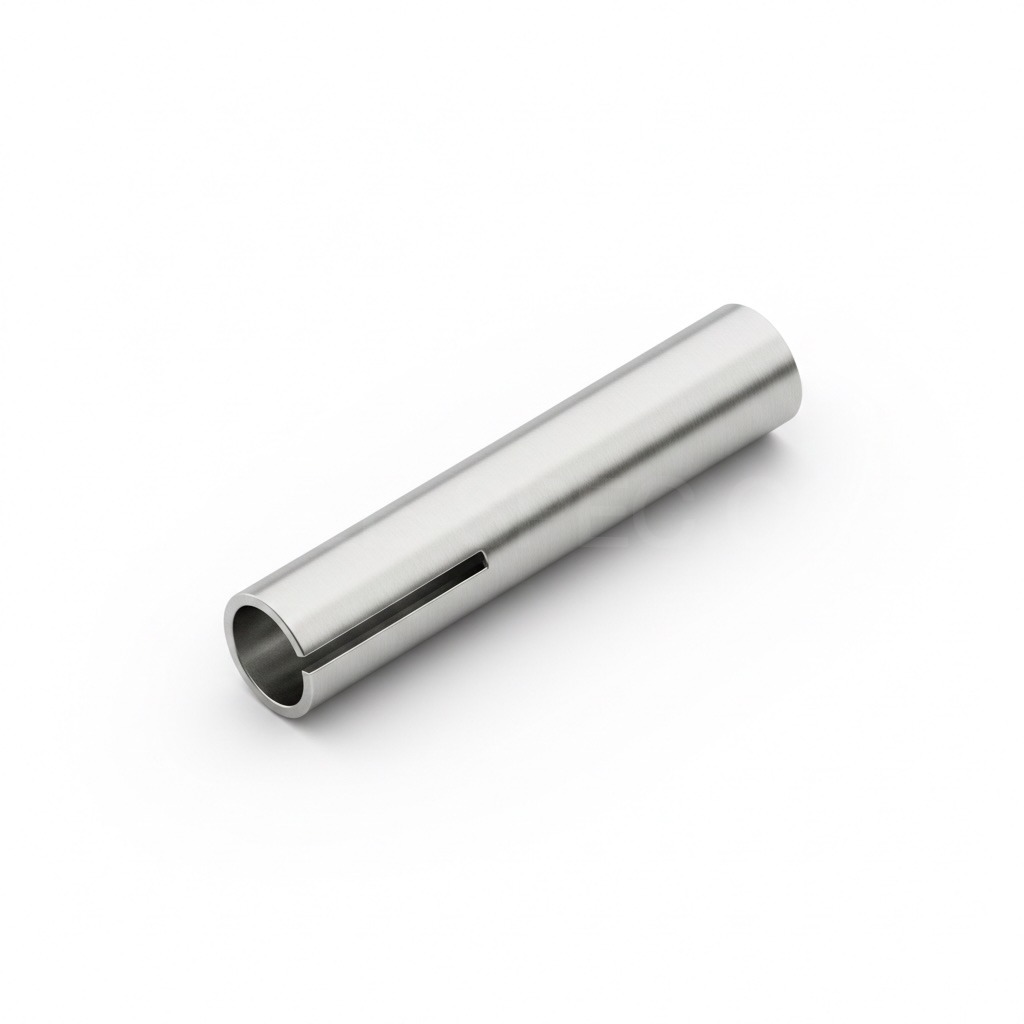 Spring Pin
KSISOJISDINSpring Pin
6 sizesThe dimensions below are identical across KS B 1371 · ISO 8752 · JIS B 2808 · DIN 1481.
| Nominal | d | L | Tolerance | Material | Standard |
|---|---|---|---|---|---|
| Ø2×10 | 2 | 10 | - | SK5 | KS B 1371 |
| Ø3×15 | 3 | 15 | - | SK5 | KS B 1371 |
| Ø4×20 | 4 | 20 | - | SK5 | KS B 1371 |
| Ø5×25 | 5 | 25 | - | SK5 | KS B 1371 |
| Ø6×30 | 6 | 30 | - | SK5 | KS B 1371 |
| Ø8×40 | 8 | 40 | - | SK5 | KS B 1371 |
Key Features
- C-shaped rolled cross-section elastically deforms on insertion; tolerant of hole variation
- ISO 8752 (heavy duty) / ISO 13337 (light duty); allows repeated insertion and removal
- Self-retaining by spring force even under vibration; no additional retention needed
Key Applications
Hinge shaft retention, lever pins, agricultural couplers, automotive pedal shafts, hydraulic cylinder clevises
FAQ
Advantages of spring pins?
No reaming needed (standard drilled holes), reusable insertion/removal, self-retaining under vibration. Lower machining cost than dowel pins.